Just as a quick update, I was not able to post any new articles for the last week because I was away from my computer doing some relaxing work with friends. Now that I'm back in Lincoln and ready to expand my love for music, it's time to get some stuff done.
Coming up soon we'll have a review of the highly anticipated follow-up to Reach For The Sun,The Dangerous Summer's 2009 success, War Paint. The band released the first single off the album a few weeks ago and it has surpassed every expectation. You can go listen to "Work In Progress" right here.
A few records that have been spinning on my record player recently have been: Set Your Goals' Burning At Both Ends, a pop-punk record that grows into a more mature sound than their previous efforts and retains the catchy choruses that have been a landmark for their sound. Another record is The Swellers' most recent release Good For Me, Harnessing a vintage vibe with their powering guitars and rhythms, the songs never stop hitting the mark.
Hope you guys have a lot of fun and I'll try and get another review up soon.
Wednesday, July 6, 2011

Saturday, June 11, 2011
The Wonder Years - Suburbia, I've Given You All And Now I'm Nothing
Bursting into the stratosphere with The Upsides just last year, The Wonder Years have become one of the new pop-punk sound bands that I really enjoy. Bringing a fun vibe with hardcore sensibilities, it's really difficult to not be affected or find enjoyment in this band at all. That sound has been altered on their new record, Suburbia, I've Given You All And Now I'm Nothing.
The Wonder Years - Suburbia, I've Given You All And Now I'm Nothing
Starting off on a sound clip, the album opener "Came Out Swinging", carries the torch that The Upsides carried before it. Bigger guitars and personal vocals propel this song to move and materialize through the breakdowns. This song is a great representation of what The Wonder Years has become. A dynamic enigma that isn't tied down by genres, but is still one of the best pop-punk bands out there. After the opener, there is "Woke Up Older", which on first listen doesn't seem like an important song, but upon second glances grows and becomes a song that you will inevitably listen to with the windows down this summer.
Next we have "Local Man Ruins Everything". This track is one of the most evident cases of the band maturing. Starting with bigger riffs and giant choruses, this hard hitting song has single-handedly takes us from "I'm not sad anymore" to "I'm just a fucked up kid", one of my favorites on the album. "Suburbia" is next and acts as an interlude, and comes off as a slower and more personable version of "Dynamite Shovel", which appeared on The Upsides. "My Life As A Pigeon" is another great track. At a point before the second chorus, frontman "Soupy" Campbell delivers a vicious verse about dealing with people. The entire song is an ode to self-sacrifice for the betterment of other people, which is played off all too well by the vocals.
 "Summer In PA" isn't a fast paced, relentless punk attack, but has the makings for it in the guitars and drums. Instead the song stays at a steady chug, complimenting the subject matter of spending time with friends during late summer nights. Later in the song there is even a giant group vocal performance, bringing the "friend element" to a cemented position in the song. "I Won't Say The Lord's Prayer" is where the real change in the band can be heard. It starts off as a very slow and personal song with only occasional and short lived full band parts, but it grows into a full band confessional with full band dynamics. If the maturity of this band ever need to be traced, this would be put at the forefront. On the next track, "Coffee Eyes", is fast paced and heavy in the verses, but slows and becomes very melodic in the chorus, instead of having faster and heavy choruses like what has shown up on many other Wonder Years songs.
A swift change in mood occurs as soon as "I've Given You All" starts in with its acoustic guitars. Uncharacteristic war veteran references in the lyrics bring somewhat of a surreal feel to the sub-two minute track to people who are used to the older Wonder Years sound. "Don't Let Me Cave In" resurrects the mood from previous releases and brings the chugging rhythms that have made so many fans mosh before. The chorus feels like a sonic success story, with the lyrics complimenting that feeling. Following up is "You Made Me Want To Be A Saint", which fires on all cylinders for an entire minute-and-a-half. Rhythmic guitars, heavy drums, and chugging bass keeps this song flowing like a smooth locomotive. It's a heavy song but doesn't falter where big songs have previously been seen fallen apart.
"Hoodie Weather" comes off as a question to society and what has gotten so many people down. The feeling of being confined in the winter comes across loud and clear when this track is on play. With the power of the guitars, the vocals begin to build and start to sound as if they are asking for more people to sing along. Finishing off the album is "And Now I'm Nothing", a five minute adventure through everything that the band has touched on in their tenure. Without doubt, this is the Wonder Years song that you need to hear. Wrapping their entire history, growth, maturity, power, personality, and emotion together in a song that explodes with bass drums and power chords. Any triumphant comeback story could splice this track into the final montage. A wise man once said "It's not how you start, it's how you finish", you will be hard pressed to find a finer complimenting finish to a record than this one.
After first listen, I had my doubts about this record. I highly enjoyed The Upsides and the one-stop sound that the record had. On Suburbia, I've Given You All And Now I'm Nothing" the sound varies and becomes a much more dynamic album than anything this band has done before. In terms of Brand New, this record really is The Wonder Years' version of Deja Entendu and their time to become something more than just another band. This record proves the lasting value of The Wonder Years and abolishes the obstacles that have faced them. Start to finish this record is a success story in both spirit and stereo.
Recommended If You Like: Brand New - Deja Entendu, The Wonder Years - The Upsides, Set Your Goals - Mutiny
Verdict: 9.5 / 10
The Wonder Years - Suburbia, I've Given You All And Now I'm Nothing
Starting off on a sound clip, the album opener "Came Out Swinging", carries the torch that The Upsides carried before it. Bigger guitars and personal vocals propel this song to move and materialize through the breakdowns. This song is a great representation of what The Wonder Years has become. A dynamic enigma that isn't tied down by genres, but is still one of the best pop-punk bands out there. After the opener, there is "Woke Up Older", which on first listen doesn't seem like an important song, but upon second glances grows and becomes a song that you will inevitably listen to with the windows down this summer.
Next we have "Local Man Ruins Everything". This track is one of the most evident cases of the band maturing. Starting with bigger riffs and giant choruses, this hard hitting song has single-handedly takes us from "I'm not sad anymore" to "I'm just a fucked up kid", one of my favorites on the album. "Suburbia" is next and acts as an interlude, and comes off as a slower and more personable version of "Dynamite Shovel", which appeared on The Upsides. "My Life As A Pigeon" is another great track. At a point before the second chorus, frontman "Soupy" Campbell delivers a vicious verse about dealing with people. The entire song is an ode to self-sacrifice for the betterment of other people, which is played off all too well by the vocals.
 "Summer In PA" isn't a fast paced, relentless punk attack, but has the makings for it in the guitars and drums. Instead the song stays at a steady chug, complimenting the subject matter of spending time with friends during late summer nights. Later in the song there is even a giant group vocal performance, bringing the "friend element" to a cemented position in the song. "I Won't Say The Lord's Prayer" is where the real change in the band can be heard. It starts off as a very slow and personal song with only occasional and short lived full band parts, but it grows into a full band confessional with full band dynamics. If the maturity of this band ever need to be traced, this would be put at the forefront. On the next track, "Coffee Eyes", is fast paced and heavy in the verses, but slows and becomes very melodic in the chorus, instead of having faster and heavy choruses like what has shown up on many other Wonder Years songs.
A swift change in mood occurs as soon as "I've Given You All" starts in with its acoustic guitars. Uncharacteristic war veteran references in the lyrics bring somewhat of a surreal feel to the sub-two minute track to people who are used to the older Wonder Years sound. "Don't Let Me Cave In" resurrects the mood from previous releases and brings the chugging rhythms that have made so many fans mosh before. The chorus feels like a sonic success story, with the lyrics complimenting that feeling. Following up is "You Made Me Want To Be A Saint", which fires on all cylinders for an entire minute-and-a-half. Rhythmic guitars, heavy drums, and chugging bass keeps this song flowing like a smooth locomotive. It's a heavy song but doesn't falter where big songs have previously been seen fallen apart.
"Hoodie Weather" comes off as a question to society and what has gotten so many people down. The feeling of being confined in the winter comes across loud and clear when this track is on play. With the power of the guitars, the vocals begin to build and start to sound as if they are asking for more people to sing along. Finishing off the album is "And Now I'm Nothing", a five minute adventure through everything that the band has touched on in their tenure. Without doubt, this is the Wonder Years song that you need to hear. Wrapping their entire history, growth, maturity, power, personality, and emotion together in a song that explodes with bass drums and power chords. Any triumphant comeback story could splice this track into the final montage. A wise man once said "It's not how you start, it's how you finish", you will be hard pressed to find a finer complimenting finish to a record than this one.
After first listen, I had my doubts about this record. I highly enjoyed The Upsides and the one-stop sound that the record had. On Suburbia, I've Given You All And Now I'm Nothing" the sound varies and becomes a much more dynamic album than anything this band has done before. In terms of Brand New, this record really is The Wonder Years' version of Deja Entendu and their time to become something more than just another band. This record proves the lasting value of The Wonder Years and abolishes the obstacles that have faced them. Start to finish this record is a success story in both spirit and stereo.
Recommended If You Like: Brand New - Deja Entendu, The Wonder Years - The Upsides, Set Your Goals - Mutiny
Verdict: 9.5 / 10
Tuesday, June 7, 2011
In Anticipation...
Sorry for the lack of reviews or articles recently, work has kept me busy. I do have a lot planned in the near future, including reviews of: Lady Gaga, Death Cab For Cutie, The Wonder Years, and Bayside. As well as an article documenting All Time Low. So a lot to look forward to and hopefully enough to keep you excited.
Thank you again for keeping tabs on the site and I'll reward you with more articles.
Thank you again for keeping tabs on the site and I'll reward you with more articles.
Sunday, May 22, 2011
Manchester Orchestra - Simple Math
Welcome back everyone, it's good to have you here. SYMAL is back with the reliable opinion and verdict on everything that is music, but with an emphasis in alternative/indie/punk genres. I will be taking this slightly more seriously because I want this to be a good platform for me when it comes to making a living. Hopefully one day I will be writing for publications, but until then, this is where you'll see the beginning of a star writer.
So here we begin again.
Manchester Orchestra - Simple Math
In the beginning, Manchester Orchestra played alternative rock that was soaked in southern rock mentalities. A sweet mix of twang-filled guitars, snares, and vocals that boarder on whiny, but never become irritating. After just one album the band developed a more straight forward rock sound that nearly ditched their southern inheritance in favor for a deeper chamber of rock. Their album Mean Everything To Nothing still lingers in my brain and has cemented a spot in my heart as one of my favorite albums I grew up with.
After just two years, the follow-up record was released and now we have Simple Math. A record that takes the best parts of METN and mixes them into the same formula that they used to create their debut record, I'm Like A Virgin Losing A Child. At first listen, this was a bittersweet record for me. There wasn't a lot there that kept me listening to METN that is clearly visible when you sit listening to the new record. Different, heartfelt, and dynamic; that's what this record can be summarized as. Enough with summarization, let's take a closer look at this new record.
 One constant on all the Manchester Orchestra records, is the healthy dose of mellow paced songs that nearly exclusively features frontman Andy Hull. Simple Math starts out with one of those slower songs and it sets the early tone for the record. "Deer" is drenched in autobiographical aura and never escapes more than Hull with a guitar and a backing orchestra. As with most ManO songs, the lyrics are very sentimental and hold a great weight to them that can be felt with every syllable spoke. The manner in which Andy Hull utters these words comes across as a letter to his darling and you feel deeply blessed to be able to overhear this cross-country phone call. This track is nothing unlike ManO has ever done before, but there is still a very pleasing element as soon as you hear it and it never escapes as long as the track lasts.
After a sweet and genuine track, the record picks up with a gut wrenching guitar riff and it feels as if the skies are darkening. "Mighty" is that song that conjures up a storm in the verses and every facet of the track to only build up into a pure jolt of energy in the triumphant verse after the breakdown. Gang vocals, backing orchestra, it culminates into what you hear as the song fades into an ending. At first glance, this track was a great stand-out to me. After hearing the album a few more times, I still believe it is one of the better tracks on the album. Next up there's "Pensacola", which screams of Virgin-era Manchester. As soon as it hits the speakers you feel like this song is best represented by driving down a highway with nothing but fields and irrigation pipes surrounding you. Telecaster guitar twangs, Hull's letter-to-paper mentality of the lyrics and vocals, and the hard bass drum combined with the deep snare make for a good ol' time rock song.
"April Fool" starts out with the lyrics and takes off from there to a track that shows glimpses of METN. Using only heavy guitars and quick shifts in tempo, this track stands out as a trademark on this record. The album continues to grow with "Pale Black Eye", a subtle track that shines its own way. As a stand alone song, this track doesn't stand out, but in the context of the album, this is where the tide turns. This is the point where the album becomes dynamic and much like a film that hits a plot twist, this record takes a turn.
The record hits full tilt on the next track "Virgin", the best song on the album. Never before have I heard such a dynamic song be spun into a four minute weave. Starting out with chimes and rings, a voice calls out, and that voice gets interrupted as a simple, yet ominous guitar riff kicks in. The sound of young children echo the line: "We built this house with our hands / and our time / and our blood". Repeating, over and over, that echo becomes monumental. The guitars, the drums, the keyboards, the vocals, all of them synchronize to build this song up into a behemoth of entanglement. Never becoming a typhoon of sound, every piece is layered perfectly to create an epic track that needs to be heard to be believed.
After that roller coaster comes the title track and just as much of a dynamic song. The difference between "Virgin" and "Simple Math" is elementary. As "Vigin" was pieced together by the guitar and drum aesthetic, "Simple Math" holds its building blocks in the keyboards and vocals. Just a simple guitar strum until the chorus, this song stays level and mellow but culminates at the three minute mark. The first song that was released from this album, I believed that if the entire album was along the same strand as this song, it would be a masterpiece. My expectations were met with a different style of a record, but my enjoyment hasn't subsided. After the dynamics before it, "Leave It Alone" stays in the soft hemisphere and relies much more on Andy Hull's ability to croon with his unique higher-pitched smoker's voice. Just as with other songs on this record, "Leave It Alone" is much more about being a complimentary piece to other songs, than to stand out by itself; there's something to be said for that.
Another one of the stand out tracks on this album is "Apprehension". There's a strange 90's alternative vibe to this song, as if Manchester is playing in a karaoke time machine. Tight drumming and simple guitars propel this song along and build an easy-going atmosphere to the track as a whole. Granted, the vocals have that bite to it, but the music behind the voice never evolves into what the vocals would indicate. If there's any negativity to this song at all, it's that it seems out of place. Among dynamic tracks and softer songs of single guitars and vocals, this track is the middle ground and plays well into that fit. I'll chalk it up to track sequencing, because the song by itself is enjoyable. The finale, "Leaky Breaks", starts out as something out of an old Dukes Of Hazzard episode. The longest track on the album, this song uses every second to milk out the melancholy southern tone that Manchester has always seemed to possess, but was the muscle they never flexed. This is a song that won't get a lot of praise, but I find it to be one of the most reassuring tracks on the record.
Overall, this record is very enjoyable and stands out as one of the top albums of the year so far. Granted, I may be biased because of my allegiance to the band, but I would recommend this record to a lot of people. The appeal to a broad audience is there. Simply an autobiography set to music, Simple Math hits every curve and hill with ease and keeps you guessing through every verse or chorus. At first, I greeted this album with hostility; now I gladly welcome it into my stereo and sing its praises.
Recommended If You Like: Thrice - Beggers, Manchester Orchestra - I'm Like A Virgin Losing A Child, The Allman Brothers Band - Idlewild South
Verdict: 9.5 / 10
So here we begin again.
Manchester Orchestra - Simple Math
In the beginning, Manchester Orchestra played alternative rock that was soaked in southern rock mentalities. A sweet mix of twang-filled guitars, snares, and vocals that boarder on whiny, but never become irritating. After just one album the band developed a more straight forward rock sound that nearly ditched their southern inheritance in favor for a deeper chamber of rock. Their album Mean Everything To Nothing still lingers in my brain and has cemented a spot in my heart as one of my favorite albums I grew up with.
After just two years, the follow-up record was released and now we have Simple Math. A record that takes the best parts of METN and mixes them into the same formula that they used to create their debut record, I'm Like A Virgin Losing A Child. At first listen, this was a bittersweet record for me. There wasn't a lot there that kept me listening to METN that is clearly visible when you sit listening to the new record. Different, heartfelt, and dynamic; that's what this record can be summarized as. Enough with summarization, let's take a closer look at this new record.
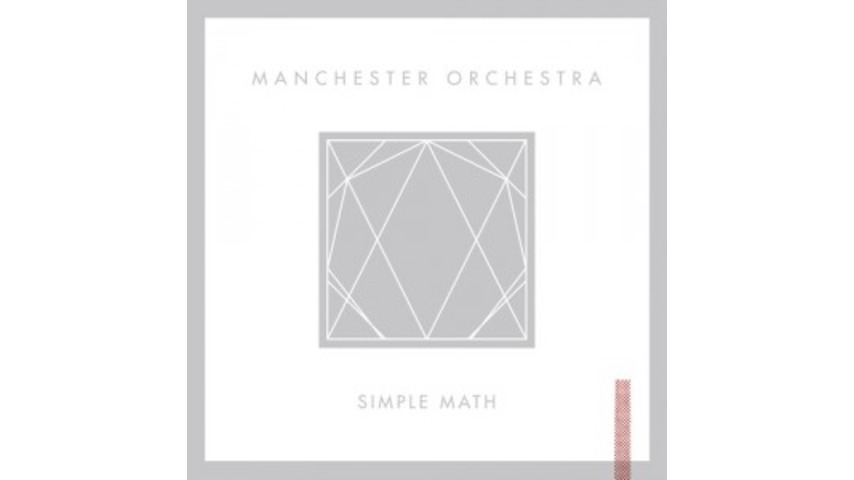 One constant on all the Manchester Orchestra records, is the healthy dose of mellow paced songs that nearly exclusively features frontman Andy Hull. Simple Math starts out with one of those slower songs and it sets the early tone for the record. "Deer" is drenched in autobiographical aura and never escapes more than Hull with a guitar and a backing orchestra. As with most ManO songs, the lyrics are very sentimental and hold a great weight to them that can be felt with every syllable spoke. The manner in which Andy Hull utters these words comes across as a letter to his darling and you feel deeply blessed to be able to overhear this cross-country phone call. This track is nothing unlike ManO has ever done before, but there is still a very pleasing element as soon as you hear it and it never escapes as long as the track lasts.
After a sweet and genuine track, the record picks up with a gut wrenching guitar riff and it feels as if the skies are darkening. "Mighty" is that song that conjures up a storm in the verses and every facet of the track to only build up into a pure jolt of energy in the triumphant verse after the breakdown. Gang vocals, backing orchestra, it culminates into what you hear as the song fades into an ending. At first glance, this track was a great stand-out to me. After hearing the album a few more times, I still believe it is one of the better tracks on the album. Next up there's "Pensacola", which screams of Virgin-era Manchester. As soon as it hits the speakers you feel like this song is best represented by driving down a highway with nothing but fields and irrigation pipes surrounding you. Telecaster guitar twangs, Hull's letter-to-paper mentality of the lyrics and vocals, and the hard bass drum combined with the deep snare make for a good ol' time rock song.
"April Fool" starts out with the lyrics and takes off from there to a track that shows glimpses of METN. Using only heavy guitars and quick shifts in tempo, this track stands out as a trademark on this record. The album continues to grow with "Pale Black Eye", a subtle track that shines its own way. As a stand alone song, this track doesn't stand out, but in the context of the album, this is where the tide turns. This is the point where the album becomes dynamic and much like a film that hits a plot twist, this record takes a turn.
The record hits full tilt on the next track "Virgin", the best song on the album. Never before have I heard such a dynamic song be spun into a four minute weave. Starting out with chimes and rings, a voice calls out, and that voice gets interrupted as a simple, yet ominous guitar riff kicks in. The sound of young children echo the line: "We built this house with our hands / and our time / and our blood". Repeating, over and over, that echo becomes monumental. The guitars, the drums, the keyboards, the vocals, all of them synchronize to build this song up into a behemoth of entanglement. Never becoming a typhoon of sound, every piece is layered perfectly to create an epic track that needs to be heard to be believed.
After that roller coaster comes the title track and just as much of a dynamic song. The difference between "Virgin" and "Simple Math" is elementary. As "Vigin" was pieced together by the guitar and drum aesthetic, "Simple Math" holds its building blocks in the keyboards and vocals. Just a simple guitar strum until the chorus, this song stays level and mellow but culminates at the three minute mark. The first song that was released from this album, I believed that if the entire album was along the same strand as this song, it would be a masterpiece. My expectations were met with a different style of a record, but my enjoyment hasn't subsided. After the dynamics before it, "Leave It Alone" stays in the soft hemisphere and relies much more on Andy Hull's ability to croon with his unique higher-pitched smoker's voice. Just as with other songs on this record, "Leave It Alone" is much more about being a complimentary piece to other songs, than to stand out by itself; there's something to be said for that.
Another one of the stand out tracks on this album is "Apprehension". There's a strange 90's alternative vibe to this song, as if Manchester is playing in a karaoke time machine. Tight drumming and simple guitars propel this song along and build an easy-going atmosphere to the track as a whole. Granted, the vocals have that bite to it, but the music behind the voice never evolves into what the vocals would indicate. If there's any negativity to this song at all, it's that it seems out of place. Among dynamic tracks and softer songs of single guitars and vocals, this track is the middle ground and plays well into that fit. I'll chalk it up to track sequencing, because the song by itself is enjoyable. The finale, "Leaky Breaks", starts out as something out of an old Dukes Of Hazzard episode. The longest track on the album, this song uses every second to milk out the melancholy southern tone that Manchester has always seemed to possess, but was the muscle they never flexed. This is a song that won't get a lot of praise, but I find it to be one of the most reassuring tracks on the record.
Overall, this record is very enjoyable and stands out as one of the top albums of the year so far. Granted, I may be biased because of my allegiance to the band, but I would recommend this record to a lot of people. The appeal to a broad audience is there. Simply an autobiography set to music, Simple Math hits every curve and hill with ease and keeps you guessing through every verse or chorus. At first, I greeted this album with hostility; now I gladly welcome it into my stereo and sing its praises.
Recommended If You Like: Thrice - Beggers, Manchester Orchestra - I'm Like A Virgin Losing A Child, The Allman Brothers Band - Idlewild South
Verdict: 9.5 / 10
Saturday, June 5, 2010
Which Brand New Album Is Their Finest?
There's always the question of which album is a band's best. No matter of personal preference, the question is always doomed to come up. There is always going to be that debut album fan base that will think that nothing can top the first demos that the band ever did. Then there's going to be the new fans that think the evolution of the band into the new realm is the best thing they've ever done. Of course in the middle, there are people who believe in a fine middle ground. So how do we figure this out? By dissecting these albums to every movement and every note and making fact. Let the probing begin.
 It's almost a distant accord from the rest of their discography, but this record is where it all started. The legacy of Brand New started with this very record (if you don't count it as starting with Taking Back Sunday). All of that youth and angst shows in spades on this record and the Morissey influence is clearly visible. The mostly pessimistic, sometimes morbid, lyrics are spotlighted throughout the record. This record features more power chords and straight forward pop-punk, more along the lines of punk than pop, than their other records. Also, Your Favorite Weapon features less of guitarist Vin Accardi on vocals than their later albums. So what does this all mean? Is the more fast paced, in your face sound of this record less impressive when stacked up against the more diverse recordings on the rest of their albums? Let's take a much closer look.
The album starts off with two straight forward pop-punk songs that don't hold back punches. "The Shower Scene" and "Jude Law And A Semester Abroad" speak well lyrically, but lack maturity in their sonic cohesiveness. It takes talent to keep songs like "The Shower Scene" to stay tight on beat live, and the band pulls it off, but it just seems like a better version of what we've always heard. "Jude Law" features more maturity in toning back the sound in some places, but still executes the pure power chord philosophy. After two minutes in, the songs changes in sequence and we hear a fuller band sound than previously. "Sudden Death In California" is a more dialed back song with the choruses being the only parts of the song where the band starts in the powerful pop-punk sound. The guitar hook in this song is a well executed riff and it's the first time that we hear more than just power chords. Next up we have the much more personal "Mix-Tape". This song hardly ever gets to be a full band affair, as it seems like Jesse Lacey speaking some of the best lyrics on the record with Vin Accardi echoing nearly every word, but not coming to the forefront of the song. Unlike the the previous tracks, when this song features the entire band, they peel the power and volume back to create a much more intimate sound, exactly what a song of this nature demands.
"Failure By Design" is the next song that starts out as a much more paced song in the verses. All of that subtle, dialed back tone, sets up for the more straight forward choruses. The chorus features more background vocals than the other songs and you can tell that in production the vocal track was brought to the forefront of this track. There is also a slight breakdown on this track, that shows the maturity level to do more than just beat the listener senseless. "Last Chance To Lose Your Keys" and "Logan To Government Center" are both songs that kind of lull in the middle. "Last Chance" gets somewhat repetitive with the lyrics and doesn't evolve enough sonically to stand out on the album. "Logan" is a more mellow sound with the guitars and the drums not over-compensating. This is definitely not a bad thing, it's just that this track also suffers from a repetitive lull in the song and doesn't seem to separate itself. The last half does have a breakdown and starts to change its sound, but it goes right back to being repetitive.
The most broken down, closest to acoustic, in the blunt of the album is "The No Seatbelt Song". This song is both well wrote and great sonically. There isn't any guitar hook, sweet breakdown, or fancy fills, this song is just a man with his electric guitar speaking out to a girl. The drums do come in halfway through, but the song doesn't kick in or pick up tempo at all. It took awhile for me to appreciate this song, but after it grew on me, this song stands out as a great achievement on this record. The mood doesn't last long, "Seventy Times 7" kicks in next and becomes full-on sonic assault. This is well executed, because this is by far the most maniacal song on the album and is lyrically uneasy. After the initial musical murder, the song falls into a breakdown where it truly shines. If you hear this song all the way through and feel good about yourself, then there is something wrong. That song is followed up by "Secondary", which feels a lot like "Sudden Death In California". There is nothing that really stands out on this track that is different from the others, but when you listen to the last half of the song, you realize how much of a full band recording it is. Near the end of the song, it starts to sound like a Beach Boys b-side, which is different from the rest of the album.
Next up we have "Magazines", which goes with the old 'stutter start formula'. It's still straight forward pop-punk with heavy guitars, but the lyrics are also near their top notch on this track. Lacey's sincere singing guides the majority of the song, setting it apart from most of its competition. In the breakdown, and after it are where the song sound the finest. The lyrics sound so perfect for the mood of the song and they finish strongly with background vocals. The last track of the album is the acoustic ballad "Soco Amaretto Lime". This is the quintessential song about growing up in a small town with nothing better to do than watching the world change in front of your eyes. Lyrically, it's perfect. There is no other way to describe it. The tone of acoustic guitars match the mood of the vocals beyond any competition. Three and a half minutes into the song the background vocals come in with a different, but just as beautiful set of lyrics. This is easily one of the most crowning achievements Brand New has ever done.
So what do we take away from Your Favorite Weapon? It's a fantastic pop-punk record that does seem to shy away from being dynamic. It's a mostly hit album with only a few missing parts. Near the middle the album hits a skid, not of bad songs, but of songs that don't stand up to the rest of the tracks on the album. Songs like "Mix-Tape", "Seventy Times 7", and "Soco Amaretto Lime" stand the test of time and stand out as some of their finest achievements yet.
 Just as a sort of disclaimer, this album started out as not only my favorite Brand New album, but one of my favorites ever. So taking a rational look at this record again in context with the other Brand New albums is both new for you and me. This record came two years after their debut, the band's shortest stint between records. Clearly after touring tirelessly on their debut, we see a change in sound and mood with this album. So what's really different about this album? We dissect every song to find out.
The album starts off with a much different staple than their previous album with "Tautou". It's a very mellow intro song that features only two different lyrics from Lacey. Evolving throughout the minute and forty-three seconds of the song, it signals how much different this album is going to be than its previous predecessor. The tone of the song sounds very surreal, and somewhat somber compared to what we're used to. It fades out and drops right into the next song, "Sic Transit Gloria...Glory Fades". This track immediately shows the evolution of the band in just those two years. Instead of chord-laden pop-punk, the bass drops into a riff and the band grooves through the verses. When the chorus kicks in the band bursts into a sonic explosion, including furious vocals from Lacey and Accardi with lyrics speaking of the mental and physical tolls of a sexual relationship. The pre-chorus features some great multi-vocal parts between the two, something that will be showcased only a few more times on this album. The song keeps moving around the musical spectrum, which keeps you listening, something that their debut neglected to do at some points. Next up we have "I Will Play My Game Beneath The Spin Light". What starts out as an acoustic song is quickly picked up complimenting drums and electric guitars. The song never loses its acoustic mood, but the other instruments just layer on top throughout the song to help it evolve.
If you are looking for a lyrical masterpiece, look no further than the following somber electric guitar driven "Okay, I Believe You, But My Tommy Gun Don't". Lacey speaks his perfect lyrics masterfully with his precision guitar tone to match just as perfectly. The full band picks up but then drops back off to lay way for drummer Brian Lane to add to Lacey's electric guitar. Not long after, the full band sound comes in adding to the intensity of the song. This track glides through dynamics seamlessly and is still one of the best songs lyrically I have heard in the last two decades. Following that we have the lead-off single, "The Quiet Things That No One Ever Knows". This track is driven throughout by different guitar riffs and hooks. Lead by a steady rhythm in the verses, this song is masterfully dual vocal-ed and riff accented in the chorus. The song also stages a much longer breakdown in it than most of the other songs on the album, but it progressively works its way up to the ending chorus. A fine example of the dynamics the band possesses. Then Jesse Lacey stands tall with "The Boy Who Blocked His Own Shot". An acoustic song that, much like "Spin Light", isn't just Lacey playing. The drums are toned down and effective, the bass is quiet but noticeable, and the electric guitars aren't overpowering, instead performing an almost slide guitar technique. The lyrics get especially good in the back half of the song, where the song hits its climax.
"Jaws Theme Swimming" is the next track, that starts out with a sweet bass-electric guitar dual riff that stays there throughout the entire song. Even in the chorus, the mood stays the same but, but the electric guitar keeps up with its riff and the the accenting electric guitar does some theatrics. Unlike some of the other songs on the record, this track doesn't feature a breakdown, it actually builds up to a culmination then falls down to the ending. The electric guitar also stays solo with a few chords to introduce "Me .vs. Maradona .vs. Elvis". The mood stays sort of somber with lyrics to match, having Lacey speak of destroying a woman methodically. It isn't until three and a half minutes in that the rest of the band comes in on the song, and initially they just compliment the guitar. Soon after they get in the groove of the song, it builds up to a fitting climax of Accardi's screaming background vocals on choice words of Lacey's singing with just a hint of arrogance. Brain Lane's drumming comes to the spotlight for the first time with the track "Guernica". A song that is about Lacey's struggles when his grandfather succumbed to lung cancer, this song is a marriage between the drums and vocals for the majority of the song. During the chorus you can find an almost metal-style driving electric guitar. Lacey's vocals on this track also scream true to the sincerity aspect, reminding you of the subject matter.
After that we have the seven minute opus that is "Good To Know That If I Ever Need Attention All I Have To Do Is Die". It's a song that doesn't really kick in until certain moments of the chorus, which lulls into and out of different riffs and rhythm. Lacey's lyrics are the most adventurous on this track. He writes a dual storyline with one being a reflection of a storyteller's life and the other being about the story he is writing. The song builds and moves but gets repetitive at points and lacks any powerful moments that you would come to expect from a seven minute song. Then there's the album's closer, "Play Crack The Sky". This is a pure acoustic song that Lacey constantly plays on the road, and with good reason. Lyrically, this song is about as good as they come. Lacey goes solo on the majority of this track with both guitar and vocals, which comes front and center in consideration two minutes into the song. After that, Accardi joins in on vocals, complimenting Lacey's voice perfectly. The two perform dual vocals in the back half of the song, which sound like a prime example of how dual harmonies are suppose to sound like.
So now that we have analyzed Deja Entendu, what conclusions can we draw? This album is more adventurous, dynamic, and full of musicianship than their debut album. It is much more of a dialed-back, less volume heavy record. It also has become a cult classic record, going gold nearly four years after its initial release. This was obviously a step-forward in the band's career, with very few dark spots on the record. Some of the songs are somewhat similar to other ones on the album, with only a few that don't stand out in full from the rest of the record. Deja Entendu means "already heard" in French. This is entertaining to me because I think of how long we're going to have to wait until we hear something this good again.
 At first glance, this album is already much darker, deeper and heavier than any of their previous albums. The majority of Brand New fanatics claim their favorite album is this one, so it looks like there is a lot to look at on this record. Imagine that you were waiting for this band's major label debut, a wide assortment of demos leaked, forcing the band back into seclusion to complete a new record. After three years waiting, you heard this. With such a vastly different sound than its predecessors, critics have called it their version of Radiohead's The Bends. Looking into this album, the comparisons don't stick out, but are visible.
The album starts off with Lacey's vocals and his guitar chords strumming out. Slowly it builds with Accardi's guitar, then the full band kicks in with the first chorus. It comes as somewhat of a shock, because with that first chorus, Lacey just screams the lyric: "Yeah!". After the build-up, the band dulls back down into a groove until it fires back into the chorus. The song keeps the mood of the chorus, but doesn't stay at such an intense volume. The song then eases to the end with Lacey still speaking his words. The second track, "Millstone", stays a lull throughout with Lacey's vocals being the peaking point. The backing vocals that compliment Lacey singing sound really nice layered on top of the drums. Lyrically the song is about disappointment and allowing it to happen, so the tone of simply accenting guitars with the dual vocals and drums match it almost perfectly. The follow-up, "Jesus Christ", is a fine track. The guitar riff, the drum beat, the dual vocals, the lyrics, all of it compliment each other for a deep mood that matches the material. The song speaks as if Lacey is having a direct conversation with Jesus while also thinking to himself what will happen when he's gone. It builds up to a point, but it never becomes a fast-paced song. This track keeps true to its mellow beginnings, knows its mood, and doesn't try to go out of it.
The next thing you hear is guitar strumming and complimenting guitars. Then the drums kick in and we are introduced to "Degausser". Lacey speaks softly through the verses with Accardi joining in for the pre-chorus. The full band kicks in to a swift, guitar riff powered chorus, that features Lacey yelling his vocals. The song keeps this up-and-down formula throughout, keeping the dynamics intact. After the second chorus we hit a breakdown, with Lacey going solo, playing his guitar and singing. The song fades out with Lacey singing and the guitar still strumming until the end. The intro to "Limousine" starts out with an acoustic guitar and Lacey singing a haunting story which continues for almost two minutes until the band comes in and orchestrates an interlude until the the music dies down again to acoustic guitar and drums with Lacey's vocals again. This song is about a little girl who died in a car wreck at the hands of a drunk driver, they were driving a limousine. The grim details are unveiled in the song and in its morbid nature a sense of beauty unveils and the song builds up to that until it's nearly an entire orchestra playing at its climax. For nearly eight minutes this song takes you on a roller coaster ride that gets stale in its predictable build-up, but pays off in the end.
After that, the next thing you hear is a very haunting guitar riff. Surreal in its sonic nature, the riff lingers in the air and creeps into your skin. After a half minute of the repeating riff, Lacey comes in with lyrics that haunt almost as much as the riff and the tone matches it. The drums subtly come in to match the tempo and match the mood. The riff tampers out and we are left with the drums, but a noise that builds up to the huge climax of the song that triggers every nerve in the body and blasts the blood with adrenaline. After two verses in the climax the song tamps down a little bit, but then guides into an instrumental jam. We finally hear the riff again fade the song out. After the fade out, we hear a strange sound that transitions into "Welcome To Bangkok", which besides from Jesse Lacey's unrecognizable voice at the beginning, is entirely instrumental. The track builds up slightly, but the track never seems to grow into itself. Granted it is an instrumental, but the track lacks the intensity or subtlety that the other shining songs have. Transitioning to the next track we have "Not The Sun". The track starts off with a bass lick that continues throughout the song and gives us a hint of the pace of the song. The song builds to the chorus, tears itself down, and then throws the chorus in our faces again. But after that we have a slowed down, more melodic sound. Lacey begins to sing clearly with the backing vocals complimenting him perfectly. The song goes onto another chorus before it smooths itself to an ending.
When it comes to acoustic openings, the one on "Luca" seems to stand out. The song stays at a steady dose of acoustic and bass guitars with a guiding drum. Lacey's lyrics are on a typically high pedestal with this track, and rightfully so. The song breaks down to purely an acoustic guitar with Accardi and Lacey singing, until Lacey unleashes a blood curdling scream and the band joins in for an orchestrated jam that fades into the sunset. Next up is "Untitled", which features a strange vocal track on it set to dual guitars. If this track was placed earlier on the track listing, it would have a greater impact, but in its placement, this track just seems dull and out of place. The song itself is both strange and interesting, but the placement of it is questionable. That leads us into "Archers", which is where drummer Brian Lane goes off. The vocals are notably brought to the forefront in the chorus and the guitars have an interesting riff in the verses. This track is the most straight forward rock song that you'll have on this album. Sonically the song flows really well, and for being a straight-forward rock song, it still holds that weird mystic to it, something seldom done in today's world. In the end we slow it down with the mostly acoustic "Handcuffs". Lacey's lyrics are showcased in this song, while he slowly becomes backed by his fellow guitars. Violins come in eventually and an entire orchestra comes in. After that the drums come in, but subtly for a small bit until the song dies back to it's intro. It's a neat track that reminds us what Jesse Lacey can do with an acoustic guitar and his lyrics.
In hind sight, this album is by far the most adventurous the band has ever put out, which deserves a lot of recognition. The album is much more hit than miss, but when it misses it is noticeable. There isn't any straight acoustic songs, which seem to be the strong suit of Lacey & Co., but there are glimmers of the stripped down sound that they specialize in. More instruments are brought into this record and it adds another layer of complexity to their sound. Every song sounds like an union, just layer after layer of sequenced sound.
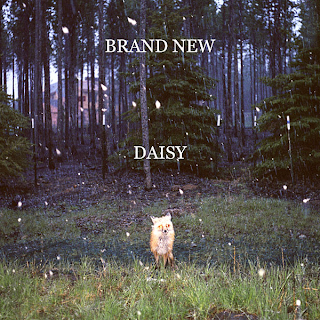.png) When Daisy was released in September of 2009, it was met with much criticism. Nobody could have foreseen the direction that the band was going to go in with this new record. You could tell from the natural evolution of the band that the sound was going to be different from what it was like on the album before, but this was miles difference between records. But is that difference for the better? We go in closer to find out.
When Daisy was released in September of 2009, it was met with much criticism. Nobody could have foreseen the direction that the band was going to go in with this new record. You could tell from the natural evolution of the band that the sound was going to be different from what it was like on the album before, but this was miles difference between records. But is that difference for the better? We go in closer to find out.
The first thing we hear is a needle being put on a record. An opera singer comes in, being accompanied by a piano. After nearly a minute and a half, it's as if the band says that they've had enough and a blitz of sound comes through the stereo, signaling that "Vices" has kicked in. Both Lacey and Accardi scream for the majority of the verses along with the slamming bass and drums, and distorted guitars. The chorus is a much more guitar driven clip with pure singing from Lacey, but it doesn't last for long. The song sinks and shines with only about two minutes of the actual song, clearly different from anything that they have ever done before. Different, but time will tell if it's better. The following track is a much more slowed down song, titled "Bed". It consists of bass and drum grooves with the guitar interlude. Lyrically, the song is still Lacey-quality, but the vocals don't seem to fit right in a few places other than the chorus. There is a separate part near the end of the song where it starts to somewhat pick up, but the band just coils back down into the groove, with Accardi's guitar easing us to the end.
We return to the louder touches of the spectrum with "At The Bottom". The song starts out slow with a guitar riff, but then builds up with drums, then after a few measures another guitar, and by the time the pre-chorus arrives the entire band is playing. Once the chorus kicks in, the song starts to show a clinic in how to write a song. The build from the start to chorus is textbook in this song. Combine that with the actual sound of the band and lyrical power, and you have a recipe for dynamite. The song continues to build itself from verse to chorus until it fades off. As soon as the next track starts, we hear drums and guitar. "Gasoline" is as pure of a Morissey song that Moz never wrote. It hits constantly and keeps the throttle down with a pounding beat. It dials back for a few seconds before it explodes for another chorus. The track fades out with radio noise that just seems out of place. Not only because it doesn't fit with the song, but the song's abrupt ending is perfect. It is a very rocky ending to a good song. Next is the more mellow, "You Stole". This is just about the tip of the lyrical iceberg for this album. Lacey speaks about the evils of a woman, while staying mellow. It's a simple drum beat with guitar and bass, while Lacey simply seems to be speaking into the microphone. There is a building instrumental section that dies down for another verse, then goes back to that instrumental section. The bigger instrumental parts seem somewhat out of place, but they still easily work into the song.
Then there's the instrumental "Be Gone". The only words spoken are the interrupted and cut out vocals of Lacey, to the point that you can't clearly make out any of his words. The track does feature neat guitar work from Vin Accardi, which is played throughout the song. Again, this track seems somewhat out of place considering where it is in the track listing. It's a great sounding track, just merely misplaced. The album picks back up with the blistering song, "Sink". Between the dual guitar and drum intro, you can tell once the song starts that this is track is going to become an avalanche of sound. The song features screaming in the pre-chorus and chorus, but simple singing in the verse. Accardi screams while Lacey attaches his scowl onto it for intensity. The lyrics talk about a woman who has done wrong and corrupted the storyteller, the morbid mood of which matches the intensity of the song. This song somewhat summarizes how intense parts of this band's sound can be, and it's one of the finest of those moments. Next we have "Bought A Bride", which starts out with both electric and bass guitar riffs and eventually gets picked up by a great drum beat from Lane. The song never gets out of its realm, but also doesn't drone in one dimension. It soars with interesting guitar theatrics and interesting subject matter from Lacey. Vocally, this track is stellar, something we haven't seen from the duo of Lacey/Accardi in some time.
An older man's voice speaking kicks off the next track "Daisy", which is the most depressingly beautiful song Lacey has ever wrote. Lyrically, this song is the strongest on the album, speaking of such elegant self-criticism. All of the metaphors that Lacey speaks of comes with a sweet subtle guitar and an accompanying orchestra. The initial verse repeats itself with a bass guitar, and the song picks up into a neat groove. This is easily a spotlight track on the album, and a noteworthy accomplishment in the careers of Brand New. That track is followed up by the very bass guitar driven "In A Jar". This track starts out promising and stays interesting with the blend of guitars and drums, then kicks into an explosion of sound with Lacey's vocals taking a backseat, despite him still singing. After the first minute and few spare seconds, the song just seems to repeat itself. There is a small break in the back half of the track, but it's only matched by an instrumental part that becomes the chorus. It's not a bad song, but just loses the fire towards the end. The album closer is "Noro". When you hear the opening notes, you get a sinking feeling in your stomach and it creeps up on you. Lacey's vocals are drenched in a very anxious and wondering tone. The song evolves throughout, showcasing background singing of Lacey simply saying 'I'm on my way out'. Those words ring throughout the entire song, and it becomes very surreal. When hearing the song, it holds its own, but those words still haunt in the song. When listening, it's as if that's the only thing you hear, which is slightly haunting.
The album hits points untouched by any other song in the band's catalog when it comes to the realm of intensity, and the album is matched with heavy-low songs. It seems like the band has lived different lives now than what they did nearly ten years ago. It's been nearly a decade of influence by Brand New and there are so many different sounds the band has embraced, and for some of us that's hard to believe. So which is their best album? That question is a matter of opinion of taste. So I'll boil it down for all of you.
Your Favorite Weapon Is Their Best If...: You like straight forward pop-punk that doesn't hold back. It's not their most consistent record, but every song is a heart on the sleeve track that holds much nostalgia. Aggressive in some places, subtle in others, this album is a staple in time and a signal to the beginning, but their angst and maturity show more than their musicianship.
Deja Entendu Is Their Best If...: You enjoy the mix of acoustic tracks with dynamic alternative songs laced with sincere and brilliant lyrics. This album has a few missteps, but they are kept to a minimum. Full a more mellow sound than their other albums, this record shines with its ability to move from solo acoustic to band with the most lyrical honesty the band has played.
The Devil And God Are Raging Inside Me Is Their Best If...: You prefer the dynamics of sing to scream and soft to heavy formula more than the conventional sound. This record falters in some places, but simply in sequencing and in even fewer places, staleness. This record features the band's most courageous and bold lyrics, complimented by the not overpowering sound of the band.
Daisy Is Their Best If...: You most enjoy the heavier side of the band. Screaming lyrics and raw instruments, this album is a powerhouse of sound. In some places the album seems to falter because of that, but for the most part the record shies away from the rest of the discography with its heavier sound. Also, if you like more Accardi in your drink, this album is your choice, featuring nearly an even split of Lacey/Accardi.
Your Favorite Weapon (2001)
 It's almost a distant accord from the rest of their discography, but this record is where it all started. The legacy of Brand New started with this very record (if you don't count it as starting with Taking Back Sunday). All of that youth and angst shows in spades on this record and the Morissey influence is clearly visible. The mostly pessimistic, sometimes morbid, lyrics are spotlighted throughout the record. This record features more power chords and straight forward pop-punk, more along the lines of punk than pop, than their other records. Also, Your Favorite Weapon features less of guitarist Vin Accardi on vocals than their later albums. So what does this all mean? Is the more fast paced, in your face sound of this record less impressive when stacked up against the more diverse recordings on the rest of their albums? Let's take a much closer look.
The album starts off with two straight forward pop-punk songs that don't hold back punches. "The Shower Scene" and "Jude Law And A Semester Abroad" speak well lyrically, but lack maturity in their sonic cohesiveness. It takes talent to keep songs like "The Shower Scene" to stay tight on beat live, and the band pulls it off, but it just seems like a better version of what we've always heard. "Jude Law" features more maturity in toning back the sound in some places, but still executes the pure power chord philosophy. After two minutes in, the songs changes in sequence and we hear a fuller band sound than previously. "Sudden Death In California" is a more dialed back song with the choruses being the only parts of the song where the band starts in the powerful pop-punk sound. The guitar hook in this song is a well executed riff and it's the first time that we hear more than just power chords. Next up we have the much more personal "Mix-Tape". This song hardly ever gets to be a full band affair, as it seems like Jesse Lacey speaking some of the best lyrics on the record with Vin Accardi echoing nearly every word, but not coming to the forefront of the song. Unlike the the previous tracks, when this song features the entire band, they peel the power and volume back to create a much more intimate sound, exactly what a song of this nature demands.
"Failure By Design" is the next song that starts out as a much more paced song in the verses. All of that subtle, dialed back tone, sets up for the more straight forward choruses. The chorus features more background vocals than the other songs and you can tell that in production the vocal track was brought to the forefront of this track. There is also a slight breakdown on this track, that shows the maturity level to do more than just beat the listener senseless. "Last Chance To Lose Your Keys" and "Logan To Government Center" are both songs that kind of lull in the middle. "Last Chance" gets somewhat repetitive with the lyrics and doesn't evolve enough sonically to stand out on the album. "Logan" is a more mellow sound with the guitars and the drums not over-compensating. This is definitely not a bad thing, it's just that this track also suffers from a repetitive lull in the song and doesn't seem to separate itself. The last half does have a breakdown and starts to change its sound, but it goes right back to being repetitive.
The most broken down, closest to acoustic, in the blunt of the album is "The No Seatbelt Song". This song is both well wrote and great sonically. There isn't any guitar hook, sweet breakdown, or fancy fills, this song is just a man with his electric guitar speaking out to a girl. The drums do come in halfway through, but the song doesn't kick in or pick up tempo at all. It took awhile for me to appreciate this song, but after it grew on me, this song stands out as a great achievement on this record. The mood doesn't last long, "Seventy Times 7" kicks in next and becomes full-on sonic assault. This is well executed, because this is by far the most maniacal song on the album and is lyrically uneasy. After the initial musical murder, the song falls into a breakdown where it truly shines. If you hear this song all the way through and feel good about yourself, then there is something wrong. That song is followed up by "Secondary", which feels a lot like "Sudden Death In California". There is nothing that really stands out on this track that is different from the others, but when you listen to the last half of the song, you realize how much of a full band recording it is. Near the end of the song, it starts to sound like a Beach Boys b-side, which is different from the rest of the album.
Next up we have "Magazines", which goes with the old 'stutter start formula'. It's still straight forward pop-punk with heavy guitars, but the lyrics are also near their top notch on this track. Lacey's sincere singing guides the majority of the song, setting it apart from most of its competition. In the breakdown, and after it are where the song sound the finest. The lyrics sound so perfect for the mood of the song and they finish strongly with background vocals. The last track of the album is the acoustic ballad "Soco Amaretto Lime". This is the quintessential song about growing up in a small town with nothing better to do than watching the world change in front of your eyes. Lyrically, it's perfect. There is no other way to describe it. The tone of acoustic guitars match the mood of the vocals beyond any competition. Three and a half minutes into the song the background vocals come in with a different, but just as beautiful set of lyrics. This is easily one of the most crowning achievements Brand New has ever done.
So what do we take away from Your Favorite Weapon? It's a fantastic pop-punk record that does seem to shy away from being dynamic. It's a mostly hit album with only a few missing parts. Near the middle the album hits a skid, not of bad songs, but of songs that don't stand up to the rest of the tracks on the album. Songs like "Mix-Tape", "Seventy Times 7", and "Soco Amaretto Lime" stand the test of time and stand out as some of their finest achievements yet.
Deja Entendu (2003)
 Just as a sort of disclaimer, this album started out as not only my favorite Brand New album, but one of my favorites ever. So taking a rational look at this record again in context with the other Brand New albums is both new for you and me. This record came two years after their debut, the band's shortest stint between records. Clearly after touring tirelessly on their debut, we see a change in sound and mood with this album. So what's really different about this album? We dissect every song to find out.
The album starts off with a much different staple than their previous album with "Tautou". It's a very mellow intro song that features only two different lyrics from Lacey. Evolving throughout the minute and forty-three seconds of the song, it signals how much different this album is going to be than its previous predecessor. The tone of the song sounds very surreal, and somewhat somber compared to what we're used to. It fades out and drops right into the next song, "Sic Transit Gloria...Glory Fades". This track immediately shows the evolution of the band in just those two years. Instead of chord-laden pop-punk, the bass drops into a riff and the band grooves through the verses. When the chorus kicks in the band bursts into a sonic explosion, including furious vocals from Lacey and Accardi with lyrics speaking of the mental and physical tolls of a sexual relationship. The pre-chorus features some great multi-vocal parts between the two, something that will be showcased only a few more times on this album. The song keeps moving around the musical spectrum, which keeps you listening, something that their debut neglected to do at some points. Next up we have "I Will Play My Game Beneath The Spin Light". What starts out as an acoustic song is quickly picked up complimenting drums and electric guitars. The song never loses its acoustic mood, but the other instruments just layer on top throughout the song to help it evolve.
If you are looking for a lyrical masterpiece, look no further than the following somber electric guitar driven "Okay, I Believe You, But My Tommy Gun Don't". Lacey speaks his perfect lyrics masterfully with his precision guitar tone to match just as perfectly. The full band picks up but then drops back off to lay way for drummer Brian Lane to add to Lacey's electric guitar. Not long after, the full band sound comes in adding to the intensity of the song. This track glides through dynamics seamlessly and is still one of the best songs lyrically I have heard in the last two decades. Following that we have the lead-off single, "The Quiet Things That No One Ever Knows". This track is driven throughout by different guitar riffs and hooks. Lead by a steady rhythm in the verses, this song is masterfully dual vocal-ed and riff accented in the chorus. The song also stages a much longer breakdown in it than most of the other songs on the album, but it progressively works its way up to the ending chorus. A fine example of the dynamics the band possesses. Then Jesse Lacey stands tall with "The Boy Who Blocked His Own Shot". An acoustic song that, much like "Spin Light", isn't just Lacey playing. The drums are toned down and effective, the bass is quiet but noticeable, and the electric guitars aren't overpowering, instead performing an almost slide guitar technique. The lyrics get especially good in the back half of the song, where the song hits its climax.
"Jaws Theme Swimming" is the next track, that starts out with a sweet bass-electric guitar dual riff that stays there throughout the entire song. Even in the chorus, the mood stays the same but, but the electric guitar keeps up with its riff and the the accenting electric guitar does some theatrics. Unlike some of the other songs on the record, this track doesn't feature a breakdown, it actually builds up to a culmination then falls down to the ending. The electric guitar also stays solo with a few chords to introduce "Me .vs. Maradona .vs. Elvis". The mood stays sort of somber with lyrics to match, having Lacey speak of destroying a woman methodically. It isn't until three and a half minutes in that the rest of the band comes in on the song, and initially they just compliment the guitar. Soon after they get in the groove of the song, it builds up to a fitting climax of Accardi's screaming background vocals on choice words of Lacey's singing with just a hint of arrogance. Brain Lane's drumming comes to the spotlight for the first time with the track "Guernica". A song that is about Lacey's struggles when his grandfather succumbed to lung cancer, this song is a marriage between the drums and vocals for the majority of the song. During the chorus you can find an almost metal-style driving electric guitar. Lacey's vocals on this track also scream true to the sincerity aspect, reminding you of the subject matter.
After that we have the seven minute opus that is "Good To Know That If I Ever Need Attention All I Have To Do Is Die". It's a song that doesn't really kick in until certain moments of the chorus, which lulls into and out of different riffs and rhythm. Lacey's lyrics are the most adventurous on this track. He writes a dual storyline with one being a reflection of a storyteller's life and the other being about the story he is writing. The song builds and moves but gets repetitive at points and lacks any powerful moments that you would come to expect from a seven minute song. Then there's the album's closer, "Play Crack The Sky". This is a pure acoustic song that Lacey constantly plays on the road, and with good reason. Lyrically, this song is about as good as they come. Lacey goes solo on the majority of this track with both guitar and vocals, which comes front and center in consideration two minutes into the song. After that, Accardi joins in on vocals, complimenting Lacey's voice perfectly. The two perform dual vocals in the back half of the song, which sound like a prime example of how dual harmonies are suppose to sound like.
So now that we have analyzed Deja Entendu, what conclusions can we draw? This album is more adventurous, dynamic, and full of musicianship than their debut album. It is much more of a dialed-back, less volume heavy record. It also has become a cult classic record, going gold nearly four years after its initial release. This was obviously a step-forward in the band's career, with very few dark spots on the record. Some of the songs are somewhat similar to other ones on the album, with only a few that don't stand out in full from the rest of the record. Deja Entendu means "already heard" in French. This is entertaining to me because I think of how long we're going to have to wait until we hear something this good again.
The Devil And God Are Raging Inside Me (2006)
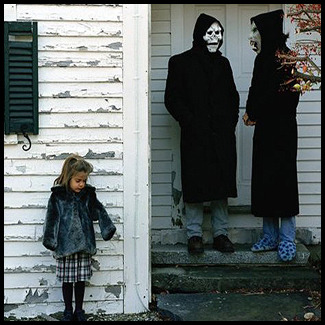 At first glance, this album is already much darker, deeper and heavier than any of their previous albums. The majority of Brand New fanatics claim their favorite album is this one, so it looks like there is a lot to look at on this record. Imagine that you were waiting for this band's major label debut, a wide assortment of demos leaked, forcing the band back into seclusion to complete a new record. After three years waiting, you heard this. With such a vastly different sound than its predecessors, critics have called it their version of Radiohead's The Bends. Looking into this album, the comparisons don't stick out, but are visible.
The album starts off with Lacey's vocals and his guitar chords strumming out. Slowly it builds with Accardi's guitar, then the full band kicks in with the first chorus. It comes as somewhat of a shock, because with that first chorus, Lacey just screams the lyric: "Yeah!". After the build-up, the band dulls back down into a groove until it fires back into the chorus. The song keeps the mood of the chorus, but doesn't stay at such an intense volume. The song then eases to the end with Lacey still speaking his words. The second track, "Millstone", stays a lull throughout with Lacey's vocals being the peaking point. The backing vocals that compliment Lacey singing sound really nice layered on top of the drums. Lyrically the song is about disappointment and allowing it to happen, so the tone of simply accenting guitars with the dual vocals and drums match it almost perfectly. The follow-up, "Jesus Christ", is a fine track. The guitar riff, the drum beat, the dual vocals, the lyrics, all of it compliment each other for a deep mood that matches the material. The song speaks as if Lacey is having a direct conversation with Jesus while also thinking to himself what will happen when he's gone. It builds up to a point, but it never becomes a fast-paced song. This track keeps true to its mellow beginnings, knows its mood, and doesn't try to go out of it.
The next thing you hear is guitar strumming and complimenting guitars. Then the drums kick in and we are introduced to "Degausser". Lacey speaks softly through the verses with Accardi joining in for the pre-chorus. The full band kicks in to a swift, guitar riff powered chorus, that features Lacey yelling his vocals. The song keeps this up-and-down formula throughout, keeping the dynamics intact. After the second chorus we hit a breakdown, with Lacey going solo, playing his guitar and singing. The song fades out with Lacey singing and the guitar still strumming until the end. The intro to "Limousine" starts out with an acoustic guitar and Lacey singing a haunting story which continues for almost two minutes until the band comes in and orchestrates an interlude until the the music dies down again to acoustic guitar and drums with Lacey's vocals again. This song is about a little girl who died in a car wreck at the hands of a drunk driver, they were driving a limousine. The grim details are unveiled in the song and in its morbid nature a sense of beauty unveils and the song builds up to that until it's nearly an entire orchestra playing at its climax. For nearly eight minutes this song takes you on a roller coaster ride that gets stale in its predictable build-up, but pays off in the end.
After that, the next thing you hear is a very haunting guitar riff. Surreal in its sonic nature, the riff lingers in the air and creeps into your skin. After a half minute of the repeating riff, Lacey comes in with lyrics that haunt almost as much as the riff and the tone matches it. The drums subtly come in to match the tempo and match the mood. The riff tampers out and we are left with the drums, but a noise that builds up to the huge climax of the song that triggers every nerve in the body and blasts the blood with adrenaline. After two verses in the climax the song tamps down a little bit, but then guides into an instrumental jam. We finally hear the riff again fade the song out. After the fade out, we hear a strange sound that transitions into "Welcome To Bangkok", which besides from Jesse Lacey's unrecognizable voice at the beginning, is entirely instrumental. The track builds up slightly, but the track never seems to grow into itself. Granted it is an instrumental, but the track lacks the intensity or subtlety that the other shining songs have. Transitioning to the next track we have "Not The Sun". The track starts off with a bass lick that continues throughout the song and gives us a hint of the pace of the song. The song builds to the chorus, tears itself down, and then throws the chorus in our faces again. But after that we have a slowed down, more melodic sound. Lacey begins to sing clearly with the backing vocals complimenting him perfectly. The song goes onto another chorus before it smooths itself to an ending.
When it comes to acoustic openings, the one on "Luca" seems to stand out. The song stays at a steady dose of acoustic and bass guitars with a guiding drum. Lacey's lyrics are on a typically high pedestal with this track, and rightfully so. The song breaks down to purely an acoustic guitar with Accardi and Lacey singing, until Lacey unleashes a blood curdling scream and the band joins in for an orchestrated jam that fades into the sunset. Next up is "Untitled", which features a strange vocal track on it set to dual guitars. If this track was placed earlier on the track listing, it would have a greater impact, but in its placement, this track just seems dull and out of place. The song itself is both strange and interesting, but the placement of it is questionable. That leads us into "Archers", which is where drummer Brian Lane goes off. The vocals are notably brought to the forefront in the chorus and the guitars have an interesting riff in the verses. This track is the most straight forward rock song that you'll have on this album. Sonically the song flows really well, and for being a straight-forward rock song, it still holds that weird mystic to it, something seldom done in today's world. In the end we slow it down with the mostly acoustic "Handcuffs". Lacey's lyrics are showcased in this song, while he slowly becomes backed by his fellow guitars. Violins come in eventually and an entire orchestra comes in. After that the drums come in, but subtly for a small bit until the song dies back to it's intro. It's a neat track that reminds us what Jesse Lacey can do with an acoustic guitar and his lyrics.
In hind sight, this album is by far the most adventurous the band has ever put out, which deserves a lot of recognition. The album is much more hit than miss, but when it misses it is noticeable. There isn't any straight acoustic songs, which seem to be the strong suit of Lacey & Co., but there are glimmers of the stripped down sound that they specialize in. More instruments are brought into this record and it adds another layer of complexity to their sound. Every song sounds like an union, just layer after layer of sequenced sound.
Daisy (2009)
When Daisy was released in September of 2009, it was met with much criticism. Nobody could have foreseen the direction that the band was going to go in with this new record. You could tell from the natural evolution of the band that the sound was going to be different from what it was like on the album before, but this was miles difference between records. But is that difference for the better? We go in closer to find out.The first thing we hear is a needle being put on a record. An opera singer comes in, being accompanied by a piano. After nearly a minute and a half, it's as if the band says that they've had enough and a blitz of sound comes through the stereo, signaling that "Vices" has kicked in. Both Lacey and Accardi scream for the majority of the verses along with the slamming bass and drums, and distorted guitars. The chorus is a much more guitar driven clip with pure singing from Lacey, but it doesn't last for long. The song sinks and shines with only about two minutes of the actual song, clearly different from anything that they have ever done before. Different, but time will tell if it's better. The following track is a much more slowed down song, titled "Bed". It consists of bass and drum grooves with the guitar interlude. Lyrically, the song is still Lacey-quality, but the vocals don't seem to fit right in a few places other than the chorus. There is a separate part near the end of the song where it starts to somewhat pick up, but the band just coils back down into the groove, with Accardi's guitar easing us to the end.
We return to the louder touches of the spectrum with "At The Bottom". The song starts out slow with a guitar riff, but then builds up with drums, then after a few measures another guitar, and by the time the pre-chorus arrives the entire band is playing. Once the chorus kicks in, the song starts to show a clinic in how to write a song. The build from the start to chorus is textbook in this song. Combine that with the actual sound of the band and lyrical power, and you have a recipe for dynamite. The song continues to build itself from verse to chorus until it fades off. As soon as the next track starts, we hear drums and guitar. "Gasoline" is as pure of a Morissey song that Moz never wrote. It hits constantly and keeps the throttle down with a pounding beat. It dials back for a few seconds before it explodes for another chorus. The track fades out with radio noise that just seems out of place. Not only because it doesn't fit with the song, but the song's abrupt ending is perfect. It is a very rocky ending to a good song. Next is the more mellow, "You Stole". This is just about the tip of the lyrical iceberg for this album. Lacey speaks about the evils of a woman, while staying mellow. It's a simple drum beat with guitar and bass, while Lacey simply seems to be speaking into the microphone. There is a building instrumental section that dies down for another verse, then goes back to that instrumental section. The bigger instrumental parts seem somewhat out of place, but they still easily work into the song.
Then there's the instrumental "Be Gone". The only words spoken are the interrupted and cut out vocals of Lacey, to the point that you can't clearly make out any of his words. The track does feature neat guitar work from Vin Accardi, which is played throughout the song. Again, this track seems somewhat out of place considering where it is in the track listing. It's a great sounding track, just merely misplaced. The album picks back up with the blistering song, "Sink". Between the dual guitar and drum intro, you can tell once the song starts that this is track is going to become an avalanche of sound. The song features screaming in the pre-chorus and chorus, but simple singing in the verse. Accardi screams while Lacey attaches his scowl onto it for intensity. The lyrics talk about a woman who has done wrong and corrupted the storyteller, the morbid mood of which matches the intensity of the song. This song somewhat summarizes how intense parts of this band's sound can be, and it's one of the finest of those moments. Next we have "Bought A Bride", which starts out with both electric and bass guitar riffs and eventually gets picked up by a great drum beat from Lane. The song never gets out of its realm, but also doesn't drone in one dimension. It soars with interesting guitar theatrics and interesting subject matter from Lacey. Vocally, this track is stellar, something we haven't seen from the duo of Lacey/Accardi in some time.
An older man's voice speaking kicks off the next track "Daisy", which is the most depressingly beautiful song Lacey has ever wrote. Lyrically, this song is the strongest on the album, speaking of such elegant self-criticism. All of the metaphors that Lacey speaks of comes with a sweet subtle guitar and an accompanying orchestra. The initial verse repeats itself with a bass guitar, and the song picks up into a neat groove. This is easily a spotlight track on the album, and a noteworthy accomplishment in the careers of Brand New. That track is followed up by the very bass guitar driven "In A Jar". This track starts out promising and stays interesting with the blend of guitars and drums, then kicks into an explosion of sound with Lacey's vocals taking a backseat, despite him still singing. After the first minute and few spare seconds, the song just seems to repeat itself. There is a small break in the back half of the track, but it's only matched by an instrumental part that becomes the chorus. It's not a bad song, but just loses the fire towards the end. The album closer is "Noro". When you hear the opening notes, you get a sinking feeling in your stomach and it creeps up on you. Lacey's vocals are drenched in a very anxious and wondering tone. The song evolves throughout, showcasing background singing of Lacey simply saying 'I'm on my way out'. Those words ring throughout the entire song, and it becomes very surreal. When hearing the song, it holds its own, but those words still haunt in the song. When listening, it's as if that's the only thing you hear, which is slightly haunting.
The album hits points untouched by any other song in the band's catalog when it comes to the realm of intensity, and the album is matched with heavy-low songs. It seems like the band has lived different lives now than what they did nearly ten years ago. It's been nearly a decade of influence by Brand New and there are so many different sounds the band has embraced, and for some of us that's hard to believe. So which is their best album? That question is a matter of opinion of taste. So I'll boil it down for all of you.
Your Favorite Weapon Is Their Best If...: You like straight forward pop-punk that doesn't hold back. It's not their most consistent record, but every song is a heart on the sleeve track that holds much nostalgia. Aggressive in some places, subtle in others, this album is a staple in time and a signal to the beginning, but their angst and maturity show more than their musicianship.
Deja Entendu Is Their Best If...: You enjoy the mix of acoustic tracks with dynamic alternative songs laced with sincere and brilliant lyrics. This album has a few missteps, but they are kept to a minimum. Full a more mellow sound than their other albums, this record shines with its ability to move from solo acoustic to band with the most lyrical honesty the band has played.
The Devil And God Are Raging Inside Me Is Their Best If...: You prefer the dynamics of sing to scream and soft to heavy formula more than the conventional sound. This record falters in some places, but simply in sequencing and in even fewer places, staleness. This record features the band's most courageous and bold lyrics, complimented by the not overpowering sound of the band.
Daisy Is Their Best If...: You most enjoy the heavier side of the band. Screaming lyrics and raw instruments, this album is a powerhouse of sound. In some places the album seems to falter because of that, but for the most part the record shies away from the rest of the discography with its heavier sound. Also, if you like more Accardi in your drink, this album is your choice, featuring nearly an even split of Lacey/Accardi.
Eyes peeled
Big plans. Working on an argumentative article to help you out choose which album is the best by a certain band. So stay tuned.
Subscribe to:
Posts (Atom)